 English
  日本語
日本語  简体中文
简体中文 MALE HAIRLINE
Male hairline
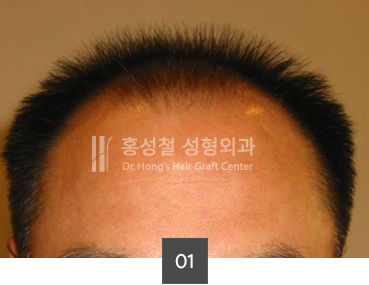
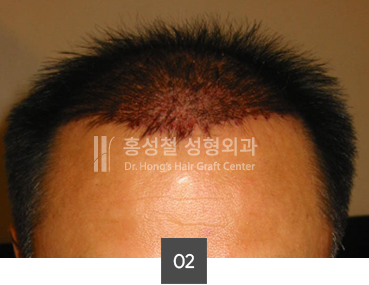
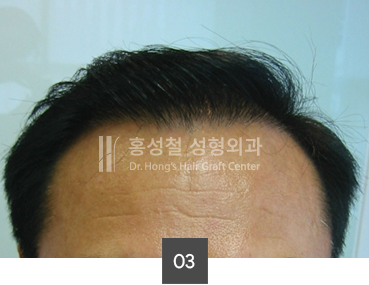
Case photographs of hairline correction in men
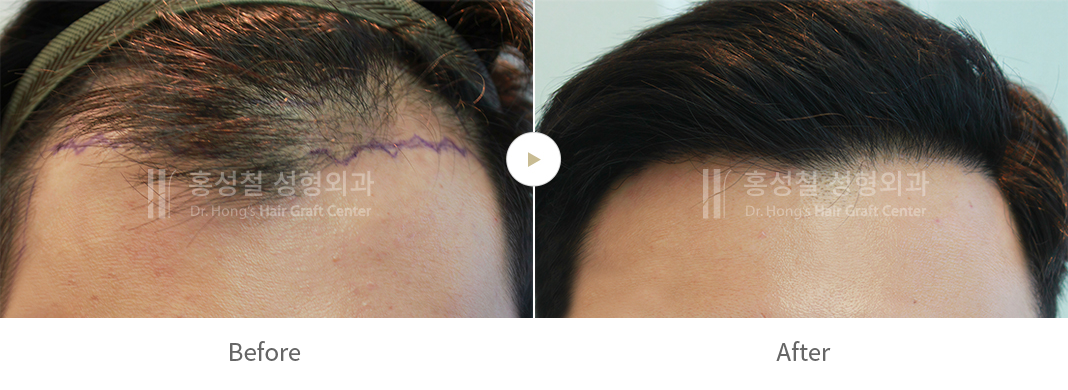
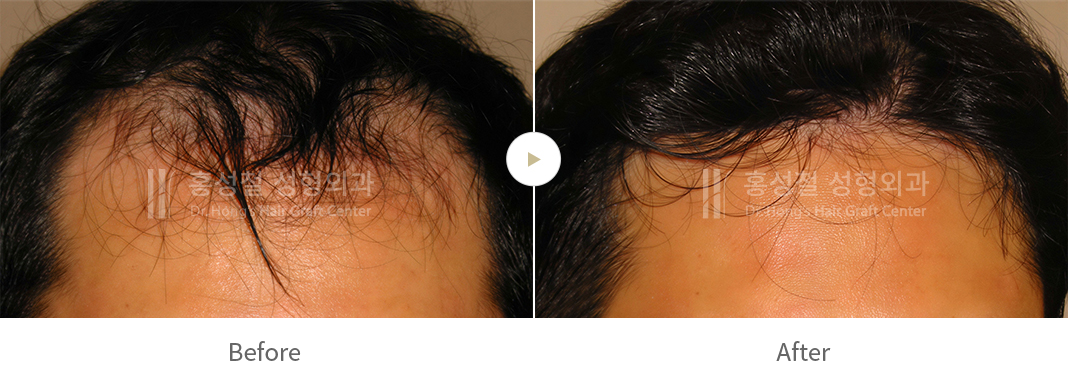
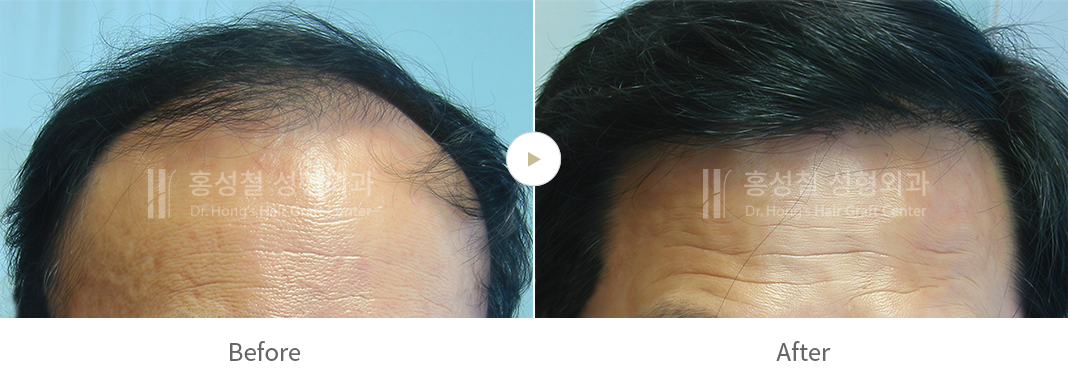
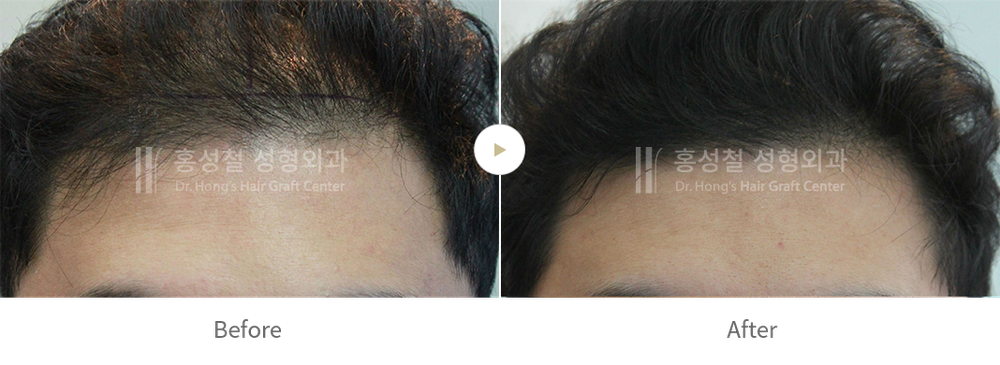
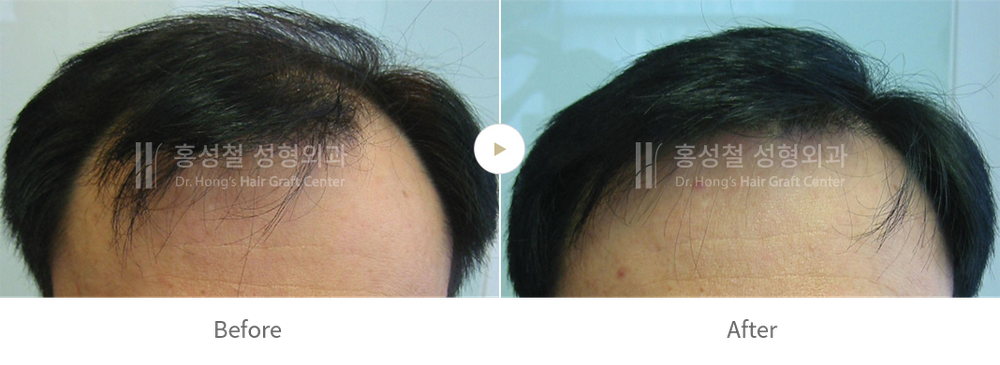
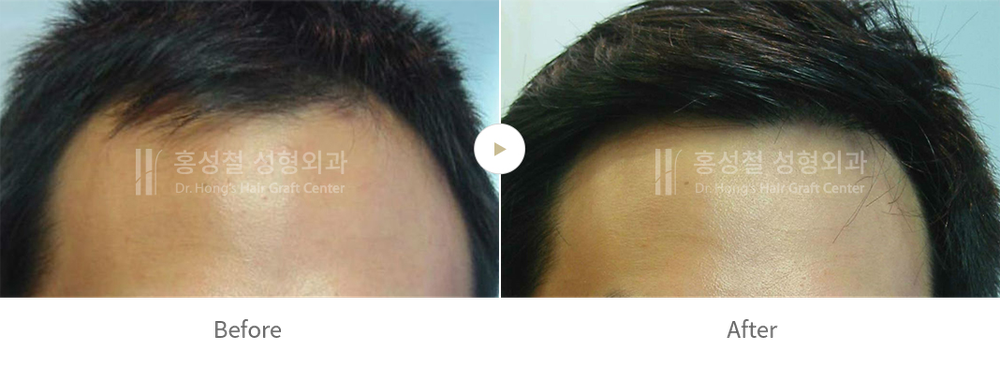
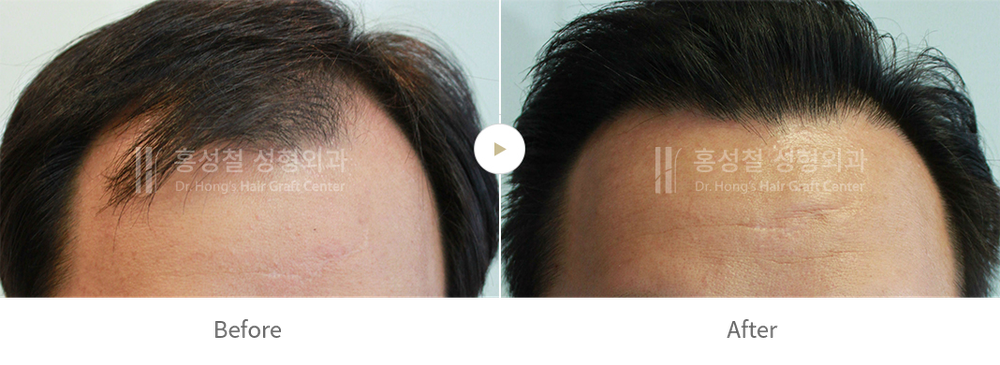
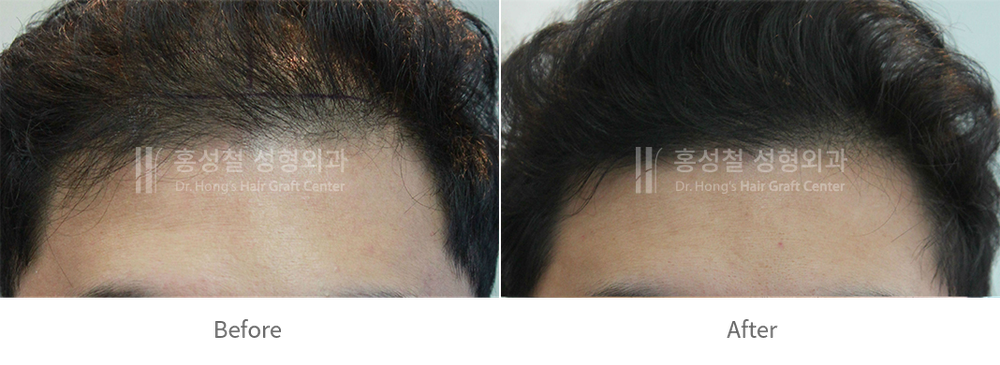
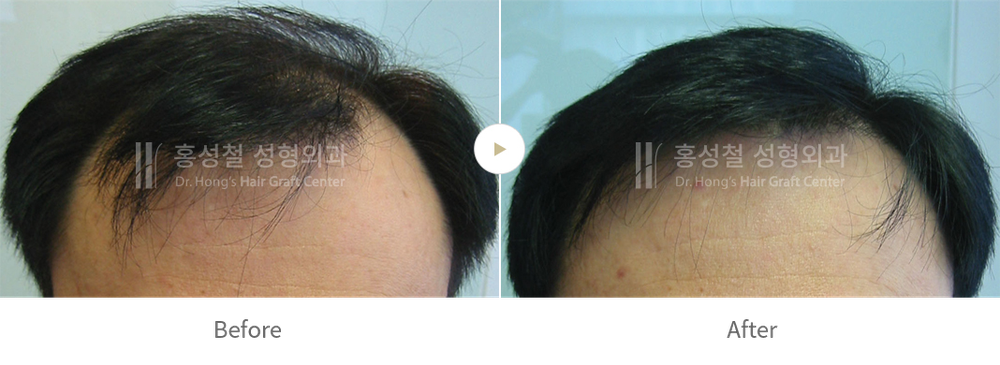
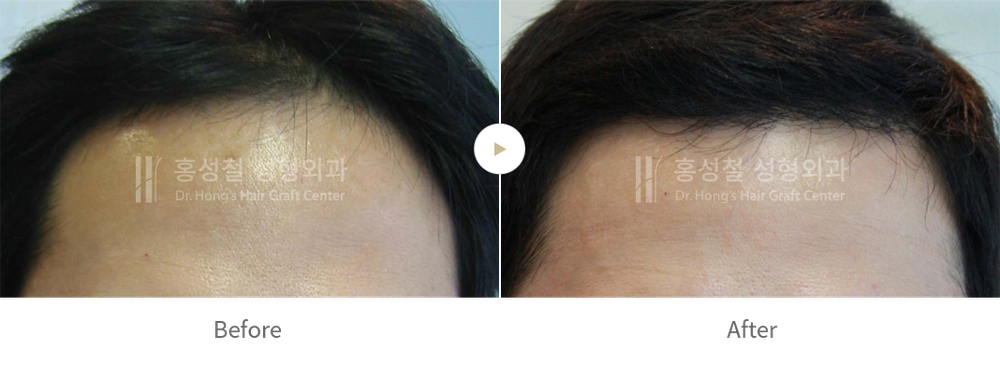
※ Photographs taken under identical conditions; results vary from person to person. Swelling, redness and other responses may appear while you recover.
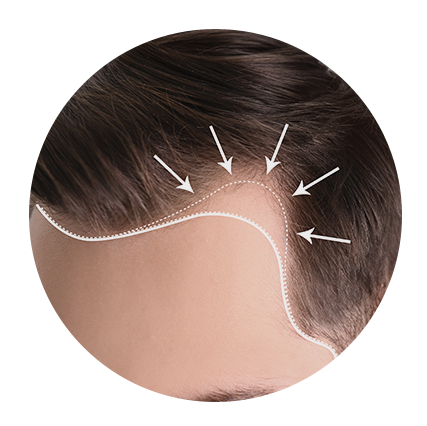
Our surgical strategy for the male hairline
Grafts dissected 100% under a microscope, keeping damage to the roots to a minimum
Surgery performed without shaving the hair you already have
Delicate placement under magnification
Scarring at the back of the scalp kept to a minimum by a special closure technique
Shock loss — the temporary shedding of existing hair — kept to a minimum
Quick recovery and an easy return to daily life
Swelling kept down, with a natural finish
Even white hairs separated carefully under the microscope before placement
Narrowing the forehead by filling in the temples and the sides
A wide forehead is narrowed using relatively few hairs
The area where a natural finish matters most
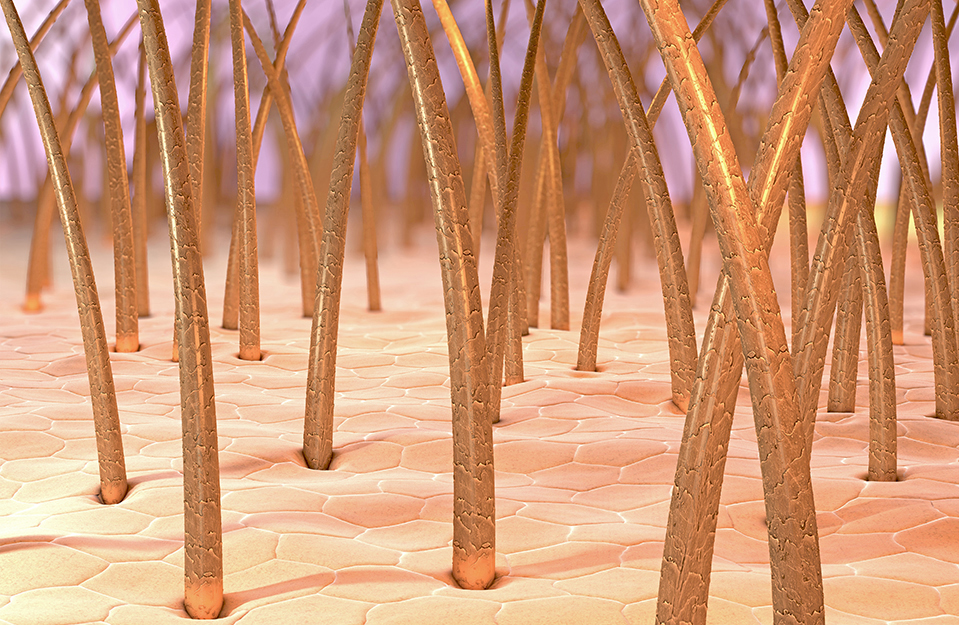
Selected fine hairs are used
Each graft is finely trimmed before placement
Single-hair grafts are placed one at a time
Hairs are laid as flat as possible, following the direction of growth
Basic principles of male hairline design
01A natural hairline, lowered no more than 2 cm from the existing one
02An irregular zigzag along the front hairline
03Hair spread out rather than crowded at the front, for a natural edge
04Selected fine single-hair grafts at the very front, for a soft, downy effect
05A design balanced to the contour of the face
Hairline correction for male pattern hair loss